
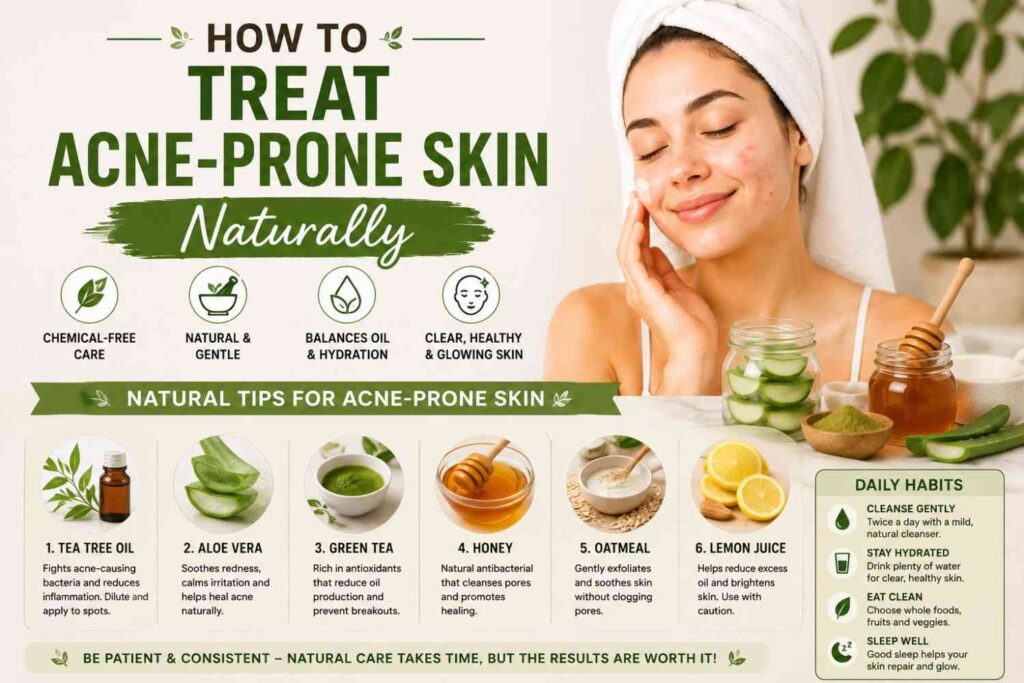
Complete Guide for Clear and Healthy Skin
Acne-prone skin is one of the most widespread dermatological conditions globally, affecting millions of teenagers and adults alike. It often develops due to a combination of internal and external factors such as hormonal fluctuations, excess sebum production, genetic predisposition, stress levels, dietary habits, and environmental aggressors like pollution and humidity. While acne is not typically dangerous from a medical standpoint, it can significantly impact self-confidence, emotional well-being, and overall quality of life, which is why many people actively search for safe and sustainable solutions.
Although conventional dermatological treatments such as topical retinoids, antibiotics, and chemical-based cleansers are widely available and often effective, they may also come with side effects like dryness, irritation, or long-term sensitivity for some individuals. As a result, a growing number of people are shifting toward understanding how to treat acne-prone skin naturally, focusing on gentler methods that work in harmony with the skin rather than against it. Natural approaches are often preferred because they emphasize restoring balance, supporting the skin barrier, and reducing inflammation without introducing overly harsh chemicals.
In this comprehensive guide, I will walk you through evidence-informed natural strategies that combine skincare science with practical everyday habits. You will learn how to build an effective skincare routine using gentle ingredients, how natural compounds like aloe vera, green tea, and tea tree oil can support clearer skin, and how diet and lifestyle choices directly influence breakouts.
Understanding Acne-Prone Skin Naturally
Understanding acne-prone skin is the first and most important step toward achieving long-term skin clarity. Many people struggle with recurring breakouts because they focus only on treating symptoms rather than understanding the root cause. Acne develops when the skin’s natural processes—oil production, cell turnover, and bacterial balance—become disrupted. This imbalance leads to clogged pores, inflammation, and visible pimples.
Acne is not just a surface-level condition; it is closely connected to internal health and lifestyle habits. Hormonal fluctuations, stress levels, sleep patterns, and dietary choices all influence how the skin behaves. When these internal factors are unstable, even high-quality skincare products may fail to deliver lasting improvements.
Natural acne care focuses on restoring balance rather than aggressively treating the skin. Instead of stripping away oils, the goal is to support the skin barrier, calm inflammation, and improve internal health. This balanced approach helps reduce breakouts gradually and promotes healthier, more resilient skin over time.
What Causes Pimples and Breakouts?
Pimples and breakouts occur when several skin processes become imbalanced at the same time. One of the main causes is excess sebum production, which is often triggered by hormonal changes during puberty, menstrual cycles, or periods of stress. When oil mixes with dead skin cells, it blocks pores and creates an environment where acne-causing bacteria can grow.
External and internal factors also contribute significantly to breakouts. Poor cleansing habits, heavy skincare products, pollution, high humidity, and inadequate exfoliation can all clog pores. At the same time, lifestyle factors such as high sugar intake, dehydration, and lack of sleep can worsen inflammation and increase the frequency of pimples.
Understanding these triggers is essential for effective natural acne treatment. When you identify the root causes, you can shift your focus from temporary solutions to long-term prevention. This makes it easier to build a skincare routine that actually supports healthy, balanced skin instead of repeatedly fighting breakouts.
How Skin Becomes Acne-Prone Over Time
Acne-prone skin often develops gradually rather than suddenly. Some individuals are genetically predisposed to produce more oil, but environmental exposure and daily habits play a major role in how the skin condition evolves over time. Continuous exposure to pollution and stress can weaken the skin barrier, making it more sensitive and reactive.
Another major factor is the overuse of harsh skincare products. Many people try to “dry out” acne using strong cleansers or alcohol-based products, but this often backfires. When the skin is stripped of its natural oils, it produces even more sebum to compensate, creating a cycle of ongoing breakouts and irritation.
Hormonal fluctuations also contribute to long-term acne development. Androgens increase oil production, especially in areas like the forehead, nose, and chin. Over time, if these factors are not managed properly, the skin becomes increasingly acne-prone and requires a more balanced, gentle care approach to restore stability.
Role of Inflammation in Acne Formation
Inflammation is one of the most important drivers of acne development. When pores become clogged with oil and bacteria, the immune system reacts by triggering inflammation to fight off the blockage. This results in redness, swelling, and sometimes painful, pus-filled pimples.
While inflammation is a natural defense mechanism, chronic inflammation can worsen acne significantly. It slows down the healing process and increases the risk of dark spots and scarring. Persistent inflammation often indicates that the skin barrier is weakened or that internal health factors such as diet and stress are unbalanced.
Natural ingredients like aloe vera, green tea, and honey help calm this inflammatory response. They reduce redness, soothe irritation, and support skin repair. Managing inflammation both internally and externally is essential for achieving long-term clear skin naturally and preventing recurring breakouts.
| Topic / Section | Simple Explanation (User-Friendly) | Scientific Insight (Deep Understanding) |
|---|---|---|
| Acne definition | Acne happens when pores get blocked by oil, bacteria, and dead skin. | Acne is a multi-factor skin condition involving sebum imbalance, bacterial growth, inflammation, and hormonal influence. |
| Causes of acne | Acne is caused by hormones, oil, poor hygiene, diet, and stress. | Acne formation is driven by excess sebum production, microbiome disruption, and inflammatory immune response. |
| Natural treatment | Natural ingredients like aloe vera, honey, and tea tree oil help reduce acne. | Natural acne care works by restoring skin barrier function, reducing inflammation, and balancing skin microbiota. |
| Ingredients (Aloe Vera etc.) | Aloe vera soothes, tea tree oil kills bacteria, honey hydrates, green tea reduces oil. | Each ingredient targets a biological function: Aloe (cell repair), Tea tree (antimicrobial), Honey (hydration + antibacterial), Green tea (antioxidant + sebum control). |
| Skincare routine | Wash face twice daily, moisturize, and use gentle natural products. | Routine regulates skin barrier stability, reduces transepidermal water loss, and controls sebum activity cycles. |
| Diet effect | Healthy foods help skin; junk food can worsen acne. | Diet influences insulin levels, hormonal activity, and systemic inflammation affecting sebaceous glands. |
| Prevention | Use gentle skincare, manage stress, sleep well, and avoid harsh products. | Prevention focuses on maintaining long-term skin homeostasis and reducing inflammatory triggers. |
| Treatment timeline | Natural acne treatment takes 4–8 weeks to show results. | Skin regeneration follows a 28-day cycle; multiple cycles are needed for visible dermal improvement. |
| Acne scars | Aloe vera and natural oils help slowly fade acne marks. | Scar healing involves collagen remodeling, pigment reduction, and controlled tissue regeneration. |
Best Natural Ingredients for Acne-Prone Skin
Natural ingredients play an important role in managing acne-prone skin because they work gently with the skin’s natural processes rather than disrupting them. Unlike many chemical-based treatments that may cause dryness, peeling, or sensitivity, natural remedies often focus on soothing inflammation, balancing oil production, and supporting the skin barrier over time.
One of the biggest advantages of natural ingredients is their long-term usability. When used correctly, they can be incorporated into daily skincare routines without causing dependency or severe side effects. This makes them especially useful for individuals who prefer a more sustainable approach to skincare.
However, it is still important to understand that “natural” does not automatically mean “risk-free.” Proper usage, dilution, and consistency are key factors that determine how effective these ingredients will be in a natural acne treatment routine.
Aloe Vera for Soothing Skin
Aloe vera is one of the most widely used natural ingredients for acne-prone skin due to its strong soothing and healing properties. It contains compounds such as polysaccharides and antioxidants that help reduce redness, calm irritation, and accelerate the skin’s natural repair process. This makes it especially helpful for inflamed or sensitive breakouts.
Another important benefit of aloe vera is its lightweight texture. Unlike heavy creams or oils, it hydrates the skin without clogging pores, making it suitable for oily and combination skin types. It also helps maintain moisture balance, which is essential because overly dry skin can sometimes trigger more oil production and worsen acne.
For best results, aloe vera is often used as a gentle overnight treatment after cleansing. Applying a thin layer allows the skin to absorb its nutrients while you sleep, helping reduce inflammation and support healing of active pimples. With consistent use, it can improve overall skin texture and contribute to a calmer, more balanced complexion.
Tea Tree Oil for Bacterial Control
Tea tree oil is a powerful natural antibacterial agent that is commonly used in acne care due to its ability to target acne-causing bacteria. It works by penetrating the skin and reducing microbial activity within clogged pores, helping to minimize the severity and spread of breakouts.
However, tea tree oil must always be used with caution. It is highly concentrated and should never be applied directly to the skin without dilution. Mixing it with a carrier oil such as jojoba oil or adding it to a skincare product helps reduce the risk of irritation while maintaining its effectiveness.
When used correctly, tea tree oil can be a highly effective spot treatment for active pimples. It helps reduce redness, swelling, and discomfort while supporting faster healing. Over time, it can also help regulate oiliness, making it a valuable addition to a natural acne treatment routine for oily and acne-prone skin.
Honey and Green Tea Benefits
Honey is a natural humectant, which means it helps the skin retain moisture while also providing antibacterial protection. It gently cleanses the skin, removes impurities, and soothes irritation without stripping away natural oils. This makes it especially beneficial for sensitive or inflamed acne-prone skin.
Green tea, on the other hand, is rich in antioxidants known as catechins, which help reduce inflammation and control excess sebum production. These antioxidants also protect the skin from environmental damage caused by pollution and UV exposure, both of which can worsen acne over time.
When combined, honey and green tea create a powerful synergy for improving skin health. Honey nourishes and hydrates the skin externally, while green tea supports internal balance when consumed regularly. Together, they help promote a healthier skin environment and contribute to achieving clear skin naturally with consistent use.
Acne-Prone Skin Care Routine (Morning & Night)
A consistent skincare routine is one of the most important foundations for managing acne-prone skin effectively. Even the best natural ingredients will not deliver strong results if they are used without structure or consistency. The skin responds best to stability, meaning a predictable routine helps regulate oil production, reduce irritation, and maintain a healthy skin barrier.
Natural treatments become significantly more effective when combined with daily skincare habits that support balance rather than disruption. This includes using gentle products, avoiding over-cleansing, and maintaining proper hydration throughout the day. When the skin is treated consistently, it gradually becomes less reactive and more resilient.
A well-planned morning and night routine also helps prevent future breakouts rather than only treating existing ones. This shift from reactive care to preventive care is what ultimately leads to long-term improvements in acne-prone skin care routine results and overall skin clarity.
Gentle Cleansing Routine
Gentle cleansing is the foundation of any effective acne-prone skincare routine. The purpose of cleansing is to remove dirt, excess oil, sweat, and environmental pollutants without disrupting the skin’s natural protective barrier. When this barrier is damaged, the skin becomes more sensitive, inflamed, and prone to breakouts.
Using harsh cleansers or washing the face too frequently can strip the skin of essential moisture. In response, the skin often produces even more oil to compensate, which can worsen acne over time. This is why dermatologists often recommend mild, sulfate-free cleansers that clean effectively without over-drying the skin.
For most acne-prone skin types, cleansing twice a day—once in the morning and once at night—is sufficient. This helps maintain cleanliness while preserving natural oils that are necessary for skin balance. Over time, this gentle approach helps reduce irritation and supports clearer, calmer skin.
Natural Toning and Hydration
Toning plays an important role in restoring the skin’s natural pH balance after cleansing. When the skin’s pH is disrupted, it can become more vulnerable to bacteria and irritation. Natural toners like rose water are especially beneficial because they soothe the skin while helping it recover its balance.
Hydration is equally important, even for oily and acne-prone skin types. A common misconception is that oily skin does not need moisture, but dehydration can actually trigger the skin to produce more oil as a protective response. This often leads to more clogged pores and breakouts.
Using lightweight, hydrating products ensures that the skin remains balanced without feeling greasy. Proper toning and hydration together help calm inflammation, improve texture, and support a healthier skin environment, which is essential for long-term acne control.
Moisturizing Without Clogging Pores
Moisturizing is a critical step that is often skipped by people with acne-prone skin due to the fear of making breakouts worse. However, the right type of moisturizer actually helps reduce acne by strengthening the skin barrier and preventing excessive oil production.
Non-comedogenic moisturizers are specifically formulated to avoid clogging pores, making them ideal for acne-prone skin. Gel-based moisturizers are particularly effective because they provide hydration without leaving a heavy or greasy residue on the skin.
Ingredients like hyaluronic acid are especially beneficial because they attract and retain moisture in the skin without adding oil. When used consistently, a good moisturizer helps improve skin texture, reduce irritation, and support overall balance, making it an essential step in any natural acne treatment routine.
Natural Home Remedies That Actually Help
Natural home remedies have been used for centuries to support skin health, especially for conditions like acne. While they are not instant solutions, they can play a meaningful supportive role when combined with a proper skincare routine. Their main advantage is that they are generally gentle, affordable, and easy to incorporate into daily life.
However, it is important to understand that home remedies work best for mild to moderate acne. They help reduce inflammation, calm irritation, and support skin healing, but they do not replace medical treatment for severe or cystic acne. Consistency and correct application are key to seeing visible improvements.
When used properly, these remedies can complement a natural acne treatment approach by improving skin texture, reducing redness, and supporting long-term clarity. The goal is not quick fixes, but gradual improvement in overall skin health.
Honey Face Mask for Acne
Honey is one of the most effective natural ingredients for acne-prone skin due to its antibacterial and soothing properties. It helps reduce acne-causing bacteria on the skin while also calming inflammation and redness associated with active breakouts. This makes it particularly useful for irritated or sensitive skin types.
When applied as a face mask, honey also works as a natural humectant, meaning it draws moisture into the skin and helps maintain hydration. Unlike harsh treatments that dry out pimples, honey supports healing without disrupting the skin barrier. This balance is essential for preventing further irritation and dryness-related breakouts.
For best results, honey can be applied as a thin layer on clean skin and left for 10–15 minutes before rinsing. With regular use, it can improve skin texture, soften rough patches, and gradually reduce mild acne flare-ups, making it a reliable part of a home remedies for acne routine.
Aloe Vera Gel Application
Aloe vera gel is widely known for its cooling and anti-inflammatory effects, making it a powerful remedy for acne-prone skin. It helps reduce redness, swelling, and discomfort caused by active pimples while also supporting the skin’s natural healing process.
One of the key benefits of aloe vera is its ability to repair damaged skin without clogging pores. It absorbs quickly and leaves the skin feeling calm and refreshed, making it suitable for daily use. It is especially helpful for people dealing with both acne and skin sensitivity.
When applied consistently, aloe vera can help improve overall skin clarity and reduce the intensity of breakouts. It is often used after cleansing as a lightweight treatment that soothes irritation and supports recovery, making it an essential part of a gentle skincare routine.
Acne Scars Natural Treatment Options
Acne scars and post-inflammatory marks can take time to fade, but natural ingredients can help support gradual improvement. Ingredients like turmeric, rosehip oil, and mild natural acids are commonly used because they promote skin regeneration and improve uneven skin tone.
Turmeric contains anti-inflammatory compounds that help reduce pigmentation and support healing. Rosehip oil is rich in essential fatty acids and vitamins that encourage skin renewal and improve texture. Mild natural acids, such as those found in fruit extracts, help gently exfoliate dead skin cells and promote a brighter complexion.
While these remedies do not provide instant results, consistent use can gradually reduce the appearance of scars and dark spots. Over time, they support smoother, more even-toned skin, making them a valuable addition to any clear skin naturally routine focused on long-term improvement.
| Topic / Section | Practical Understanding (AEO – Simple & Clear) | Scientific Explanation (GEO – Deep Insight) |
|---|---|---|
| Home remedies for acne | Natural remedies like honey, aloe vera, and turmeric help reduce acne and calm skin inflammation. | Home remedies act as bio-compatible skin support systems that reduce inflammation, inhibit bacterial activity, and enhance skin healing response. |
| Honey mask | Honey helps kill bacteria, reduce redness, and keep skin hydrated when used as a face mask. | Honey functions as a natural humectant and antimicrobial agent that maintains moisture balance and regulates microbial activity on skin. |
| Aloe vera gel | Aloe vera soothes acne, reduces swelling, and supports skin healing naturally. | Aloe vera acts as a bioactive dermal repair compound that promotes cell regeneration and reduces inflammatory pathways in skin tissue. |
| Acne scars treatment | Natural remedies like turmeric and rosehip oil help fade acne scars gradually over time. | Scar improvement involves collagen remodeling, melanin regulation, and gradual epidermal regeneration supported by antioxidant activity. |
| Effectiveness of remedies | Home remedies work best for mild acne and require consistent use for visible results. | Natural treatments depend on cumulative biological adaptation, requiring repeated application to restore skin homeostasis and reduce inflammation cycles. |
Diet and Lifestyle Changes for Clear Skin
Diet and lifestyle play a major role in determining the health and appearance of acne-prone skin. While skincare products can help manage surface-level symptoms, internal factors such as nutrition, hormone balance, and stress levels often influence how frequently breakouts occur. A balanced diet rich in vitamins, minerals, and antioxidants helps the skin repair itself more efficiently and reduces inflammation from within.
Foods that are high in antioxidants, such as fruits, vegetables, nuts, and seeds, support the body’s natural detoxification processes. Healthy fats like omega-3 fatty acids found in fish, flaxseeds, and walnuts help strengthen the skin barrier and reduce inflammatory responses. These nutritional elements collectively contribute to a more stable and resilient skin environment.
On the other hand, diets high in refined sugar, processed foods, and excessive dairy may trigger hormonal fluctuations and inflammation in some individuals. These factors can increase sebum production and worsen acne over time. Alongside diet, hydration, quality sleep, and stress management are equally important for maintaining hormonal balance and achieving long-term clear skin naturally.
Common Mistakes to Avoid in Natural Acne Treatment
Many people unintentionally worsen their acne by following incorrect skincare practices, even when they are trying natural remedies. One of the most common mistakes is overwashing the face. While cleansing is important, excessive washing strips the skin of its natural oils, leading to irritation and increased oil production as the skin tries to compensate.
Another frequent mistake is the use of overly harsh DIY remedies, such as undiluted lemon juice, baking soda, or abrasive scrubs. These ingredients can disrupt the skin barrier, cause micro-irritations, and lead to increased sensitivity. Instead of healing the skin, they often make acne more persistent and harder to control.
Skipping sunscreen is also a major issue in acne care routines. Sun exposure can worsen post-acne marks, increase pigmentation, and slow down the healing process. A safe and consistent skincare approach that avoids these mistakes is far more effective than aggressive or experimental treatments, especially when aiming for long-term skin stability.
How Long Natural Acne Treatment Takes
Natural acne treatment requires patience because it works by restoring balance rather than delivering instant results. Unlike chemical treatments that may show quick but temporary improvements, natural methods focus on healing the skin gradually and improving its overall resilience. This process typically takes time as the skin cycle itself renews approximately every 28 days.
Most individuals begin to notice visible improvements within 4 to 8 weeks of consistent care. These improvements may include reduced redness, fewer breakouts, and smoother skin texture. However, results vary depending on skin type, severity of acne, and lifestyle habits. Consistency is the most important factor in achieving lasting progress.
In cases of severe or cystic acne, natural treatments alone may not be sufficient. Professional dermatological guidance may be required alongside natural methods to achieve better control. Combining both approaches often leads to more effective and sustainable outcomes for long-term skin health.
Prevention Tips for Long-Term Clear Skin
Preventing acne is just as important as treating it, especially for individuals with naturally acne-prone skin. A consistent skincare routine helps maintain balance in oil production and keeps the skin barrier strong. When the skin is properly cared for daily, it becomes less reactive to environmental and hormonal changes.
Using non-comedogenic products is another essential step in preventing breakouts. These products are designed not to clog pores, reducing the risk of new pimples forming. Alongside skincare, managing stress levels is equally important, as stress hormones can significantly increase oil production and trigger flare-ups.
Long-term skin clarity depends on healthy lifestyle habits such as proper sleep, balanced nutrition, hydration, and gentle skincare practices. When these habits are maintained consistently, the skin becomes more stable, less inflamed, and naturally clearer over time, supporting sustainable results for clear skin naturally.
Frequently Asked Questions
How can I treat acne-prone skin naturally at home?
Treating acne-prone skin naturally at home involves building a simple but consistent skincare routine combined with healthy lifestyle habits. Start with a gentle cleanser twice daily to remove excess oil and dirt without damaging the skin barrier. Natural ingredients like aloe vera, honey, and diluted tea tree oil can help reduce bacteria and inflammation.
Alongside skincare, focus on hydration and diet. Drinking enough water and eating antioxidant-rich foods like fruits and leafy greens helps your skin heal from within. Avoid harsh scrubbing or chemical-heavy products, as they often worsen irritation. Over time, this balanced approach helps reduce breakouts and supports long-term skin clarity.
What is the fastest natural way to clear acne?
There is no instant cure for acne, but some natural methods can speed up visible improvement. Spot treatments using diluted tea tree oil can help reduce active pimples quickly by targeting acne-causing bacteria. Aloe vera gel also works effectively to calm redness and swelling within a short time.
However, the fastest results come from combining skincare with lifestyle changes. Reducing sugar intake, improving sleep quality, and managing stress significantly improve skin condition. Natural treatments work gradually, so consistency is more important than expecting overnight results.
Can diet really help acne-prone skin?
Yes, diet plays a very important role in managing acne-prone skin. Foods rich in antioxidants, omega-3 fatty acids, and vitamins help reduce inflammation and support skin repair. Examples include salmon, walnuts, berries, and green vegetables.
On the other hand, high-sugar foods, processed snacks, and excessive dairy may trigger breakouts in some individuals. A balanced diet does not replace skincare but works alongside it to improve overall skin health and reduce the frequency of pimples and breakouts.
How long does natural acne treatment take?
Natural acne treatment usually takes around 4 to 8 weeks to show noticeable improvements, depending on skin type and severity of acne. Unlike chemical treatments, natural remedies work by gradually restoring skin balance rather than aggressively drying out pimples.
Consistency is the key factor. Skipping routines or frequently changing products slows down progress. In some cases, hormonal or severe acne may take longer and require professional guidance in combination with natural care.
Is aloe vera good for acne scars?
Yes, aloe vera is beneficial for acne scars due to its healing and anti-inflammatory properties. It helps repair damaged skin tissue and promotes faster regeneration of skin cells. With regular use, it may gradually lighten mild acne marks and improve skin texture.
However, results are not immediate. Aloe vera works best for early or mild scarring. For deeper scars, additional treatments such as dermatologist-recommended procedures may be required alongside natural remedies.
Should I avoid makeup if I have acne?
You do not necessarily need to avoid makeup if you have acne, but you should choose products carefully. Always use non-comedogenic makeup that does not clog pores. Heavy or oil-based products can worsen breakouts if not removed properly.
It is also essential to cleanse your face thoroughly at the end of the day. Sleeping with makeup can trap dirt and oil, leading to more pimples. Proper makeup hygiene allows you to use cosmetics safely without harming acne-prone skin.
Conclusion
Understanding how to treat acne-prone skin naturally is not about finding a single miracle solution, but about building a consistent and balanced system that supports your skin over time. Acne develops through a combination of internal and external factors, so effective improvement requires addressing both. When you shift your focus from quick fixes to long-term skin health, the results become more stable and sustainable.
Natural ingredients such as aloe vera, tea tree oil, honey, and green tea play an important role in reducing inflammation, controlling bacteria, and supporting the skin’s natural healing process. However, their effectiveness increases significantly when they are combined with a structured skincare routine that includes gentle cleansing, proper hydration, and barrier protection. This combination helps the skin gradually return to balance instead of being forced into temporary improvement.
At the same time, lifestyle habits such as maintaining a healthy diet, managing stress, staying hydrated, and getting enough sleep are equally essential. These internal factors directly influence hormone regulation and inflammation levels, which are key drivers of acne.