
Dark spots are one of the most common skincare concerns worldwide. They can appear after acne, sun exposure, inflammation, hormonal changes, or skin injuries, making the complexion look uneven and dull. While dark spots are usually harmless, many people seek treatments to achieve clearer, brighter, and more even-toned skin.
The good news is that modern skincare and dermatology offer many effective ways to reduce dark spots naturally and medically. However, treating hyperpigmentation requires patience, consistency, and the right ingredients. Many people worsen their dark spots by using harsh scrubs, strong DIY remedies, or incorrect skincare routines.
In this comprehensive guide, you will learn what causes dark spots, the best treatments for different skin types, effective skincare ingredients, dermatologist-approved methods, natural remedies, prevention tips, and the most common mistakes people make when treating hyperpigmentation.
What Are Dark Spots?
Dark spots are patches of skin that become darker than the surrounding area due to excess melanin production. Melanin is the pigment responsible for skin color. When the skin produces too much melanin in one area, hyperpigmentation develops.
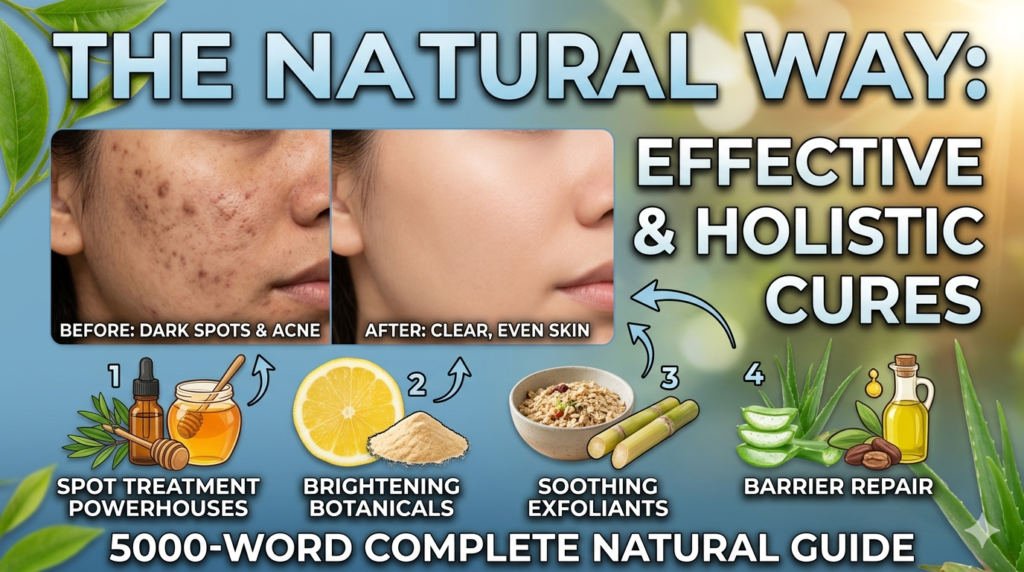
Dark spots can vary in:
- Size
- Shape
- Color
- Depth
- Severity
They may appear:
- Brown
- Black
- Gray
- Tan
- Red-brown
Dark spots can affect all skin tones and skin types.
Types of Dark Spots
Understanding the type of dark spots you have is important because different causes may require different treatments.
Post-Inflammatory Hyperpigmentation (PIH)
This is one of the most common forms of dark spots.
It occurs after:
- Acne
- Skin irritation
- Eczema
- Injuries
- Burns
PIH is especially common in deeper skin tones.
Sunspots
Also called:
- Age spots
- Liver spots
- Solar lentigines
These develop after years of sun exposure.
Common areas include:
- Face
- Hands
- Chest
- Shoulders
Melasma
Melasma causes larger patches of pigmentation.
It is often triggered by:
- Hormonal changes
- Pregnancy
- Birth control pills
- Sun exposure
Melasma commonly appears on:
- Cheeks
- Forehead
- Upper lip
Acne Marks
Acne often leaves behind dark marks after pimples heal.
These marks may last weeks or months without treatment.
What Causes Dark Spots?
Several factors contribute to hyperpigmentation.
1. Sun Exposure
UV rays stimulate melanin production.
Repeated sun exposure can worsen:
- Acne marks
- Melasma
- Sunspots
Dermatologists emphasize that sunscreen is essential for preventing hyperpigmentation. (aad.org)
2. Acne
Inflammation from acne may trigger excess melanin production.
Picking pimples increases the risk of dark spots.
3. Hormonal Changes
Hormonal fluctuations may cause melasma.
Common triggers include:
- Pregnancy
- Birth control
- Hormonal therapy
4. Skin Injuries
Cuts, burns, and irritation can leave pigmentation behind.
5. Aging
Years of sun exposure often lead to age spots.
Can Dark Spots Be Removed Completely?
Many dark spots can fade significantly with proper treatment. However, results depend on:
- Skin type
- Depth of pigmentation
- Cause of the spots
- Consistency of treatment
Some dark spots fade naturally over time, while deeper pigmentation may require professional treatment.
How Long Does It Take to Fade Dark Spots?
Treating hyperpigmentation takes patience.
Mild spots may improve within:
- 4–8 weeks
Deeper pigmentation may require:
- Several months
- Professional treatments
Dermatologists note that consistency is critical. (mayoclinic.org)
Best Ingredients for Dark Spots
Certain skincare ingredients are highly effective for treating hyperpigmentation.
Vitamin C
Vitamin C is one of the most popular brightening ingredients.
Benefits
- Brightens skin
- Reduces pigmentation
- Protects against free radicals
- Improves uneven tone
Best For
- Acne marks
- Sun damage
- Dullness
Dermatologists often recommend vitamin C for discoloration. (healthline.com)
Niacinamide
Niacinamide is a gentle yet effective ingredient.
Benefits
- Reduces inflammation
- Improves barrier function
- Fades discoloration
- Controls oil
It works well for sensitive and acne-prone skin.
Retinol
Retinol increases skin cell turnover.
Benefits
- Fades dark spots
- Smooths texture
- Reduces acne
- Improves aging signs
Important Tip
Start slowly because retinol may irritate the skin initially.
Azelaic Acid
Azelaic acid is excellent for:
- Acne-prone skin
- Rosacea
- Hyperpigmentation
Benefits
- Brightens skin
- Reduces inflammation
- Treats acne and dark spots together
Alpha Arbutin
Alpha arbutin helps reduce melanin production.
Benefits
- Brightens pigmentation
- Gentle on skin
- Effective for uneven tone
Kojic Acid
Kojic acid is commonly used in brightening products.
Benefits
- Reduces melanin production
- Fades acne marks
- Helps sunspots
However, overuse may irritate sensitive skin.
Tranexamic Acid
Tranexamic acid has become increasingly popular for melasma.
Benefits
- Targets stubborn pigmentation
- Helps hormonal discoloration
- Supports even skin tone
Glycolic Acid
Glycolic acid exfoliates dead skin cells.
Benefits
- Improves texture
- Brightens complexion
- Speeds fading of dark spots
Avoid over-exfoliating because it may worsen irritation.
Sunscreen: The Most Important Step
Without sunscreen, dark spot treatments may fail.
UV exposure worsens hyperpigmentation and slows healing.
Dermatologists strongly recommend daily sunscreen use. (aad.org)
Best Sunscreen Tips
- Use SPF 30 or higher
- Apply daily
- Reapply every 2 hours outdoors
- Choose broad-spectrum protection
Best Skincare Routine for Dark Spots
Morning Routine
Step 1: Gentle Cleanser
Use a non-stripping cleanser.
Step 2: Vitamin C Serum
Helps brighten and protect the skin.
Step 3: Moisturizer
Hydration supports skin healing.
Step 4: Sunscreen
Never skip sunscreen.
Night Routine
Step 1: Cleanser
Remove dirt, sunscreen, and makeup.
Step 2: Treatment Serum
Choose:
- Retinol
- Azelaic acid
- Alpha arbutin
- Niacinamide
Step 3: Moisturizer
Supports barrier repair overnight.
Natural Remedies for Dark Spots
Some natural remedies may help mild pigmentation.
Aloe Vera
Aloe vera contains compounds that may support skin healing.
Benefits
- Soothes irritation
- Supports hydration
- May brighten mild discoloration
Green Tea
Green tea contains antioxidants.
Benefits
- Reduces inflammation
- Protects against environmental damage
Turmeric
Turmeric has anti-inflammatory properties.
Important Warning
It may stain the skin and irritate some individuals.
Licorice Root Extract
Licorice extract is commonly used in brightening skincare.
Benefits
- Reduces pigmentation
- Calms inflammation
Natural Remedies to Avoid
Some DIY treatments may worsen hyperpigmentation.
Avoid:
- Lemon juice
- Baking soda
- Toothpaste
- Undiluted apple cider vinegar
These remedies may cause burns and inflammation.
Professional Treatments for Dark Spots
Severe pigmentation may require dermatologist treatments.
Chemical Peels
Chemical peels remove damaged skin layers.
Benefits
- Improves texture
- Brightens complexion
- Reduces acne marks
Laser Treatments
Lasers target pigmentation directly.
Benefits
- Effective for stubborn spots
- Faster results
Important Note
Laser treatments should be performed by professionals.
Microneedling
Microneedling stimulates collagen production.
Benefits
- Improves texture
- Reduces acne scars
- Helps pigmentation
Prescription Creams
Dermatologists may prescribe:
- Hydroquinone
- Tretinoin
- Combination creams
How Diet Affects Dark Spots
Healthy skin begins internally.
Helpful Foods
- Fruits
- Vegetables
- Nuts
- Omega-3-rich foods
- Water-rich foods
Antioxidants help protect the skin from damage.
Lifestyle Habits That Help Fade Dark Spots
Sleep Well
Poor sleep increases inflammation.
Stay Hydrated
Hydration supports healthy skin function.
Avoid Picking Skin
Picking acne increases hyperpigmentation risk.
Manage Stress
Stress may worsen acne and inflammation.
Common Mistakes When Treating Dark Spots
Using Too Many Products
Too many active ingredients may irritate the skin.
Skipping Sunscreen
This is one of the biggest mistakes.
Expecting Instant Results
Hyperpigmentation treatment takes time.
Over-Exfoliating
Too much exfoliation damages the skin barrier.
Using Harsh DIY Remedies
Aggressive home remedies may worsen discoloration.
Dark Spots on Different Skin Tones
Hyperpigmentation affects all skin tones differently.
Deeper Skin Tones
Darker skin tones are more prone to PIH.
Gentle treatment is especially important.
Fair Skin
Fair skin may develop more visible sunspots.
Acne and Dark Spots
Acne marks are one of the most common forms of hyperpigmentation.
Tips for Acne-Prone Skin
- Treat acne early
- Avoid picking pimples
- Use non-comedogenic products
- Wear sunscreen daily
Melasma Treatment Tips
Melasma can be stubborn.
Best Practices
- Wear sunscreen consistently
- Avoid excessive heat
- Use gentle brightening ingredients
- Consult a dermatologist if severe
Retinol for Dark Spots
Retinol is highly effective but must be introduced carefully.
Beginner Tips
- Start 2–3 times weekly
- Use moisturizer
- Apply sunscreen daily
Vitamin C for Brightening
Vitamin C works best when used consistently.
Benefits
- Brighter complexion
- Improved skin tone
- Antioxidant protection
Best Moisturizers for Hyperpigmentation
Hydration supports healing.
Look for moisturizers with:
- Ceramides
- Hyaluronic acid
- Niacinamide
How to Prevent Dark Spots
Prevention is easier than treatment.
Prevention Tips
- Wear sunscreen daily
- Avoid picking skin
- Treat acne early
- Use gentle skincare
- Wear hats outdoors
Emotional Impact of Dark Spots
Hyperpigmentation can affect confidence and self-esteem.
Remember:
- Dark spots are common
- Healing takes time
- Consistency matters more than perfection
Best Daily Habits for Clearer Skin
Keep Your Routine Simple
Complicated routines often irritate the skin.
Be Consistent
Results require regular care.
Protect Your Skin Barrier
Healthy skin heals better.
Choose Gentle Products
Harsh products may worsen inflammation.
Frequently Asked Questions (FAQs)
1. What causes dark spots on the face?
Dark spots may result from acne, sun exposure, hormones, aging, or skin injuries.
2. Can dark spots disappear naturally?
Some mild dark spots fade over time, but many require treatment for faster improvement.
3. What is the best ingredient for dark spots?
Vitamin C, retinol, niacinamide, and azelaic acid are highly effective. (healthline.com)
4. Does sunscreen help dark spots?
Yes. Sunscreen prevents existing spots from worsening and helps treatments work effectively. (aad.org)
5. How long does it take to fade dark spots?
Results vary, but improvement often takes several weeks to months.
6. Is retinol good for hyperpigmentation?
Yes. Retinol increases cell turnover and helps fade discoloration.
7. Can acne leave permanent dark spots?
Most acne marks fade with treatment, but severe acne may leave scars.
8. Are natural remedies effective for dark spots?
Some natural ingredients may help mild pigmentation, but harsh DIY remedies should be avoided.
9. Should I exfoliate dark spots?
Gentle exfoliation may help, but over-exfoliating can worsen irritation.
10. When should I see a dermatologist?
Seek professional help if pigmentation is severe, painful, spreading, or not improving.
Final Thoughts
Dark spots are extremely common and can affect anyone regardless of age, skin tone, or skin type. While hyperpigmentation may feel frustrating, many effective treatments are available today. The key to success is consistency, patience, and choosing the right skincare ingredients for your skin’s needs.
Vitamin C, retinol, niacinamide, azelaic acid, alpha arbutin, and sunscreen are among the most effective tools for reducing pigmentation and improving skin tone. Professional treatments like chemical peels, laser therapy, and microneedling may also help stubborn discoloration.
Most importantly, avoid harsh DIY treatments and protect your skin barrier. Gentle skincare combined with daily sunscreen use remains one of the most effective strategies for achieving clearer, healthier-looking skin over time.