How to Get Rid of Enlarged Pores: Safe Steps for Smoother-Looking Skin
If you are searching for How to Get Rid of Enlarged Pores, the most important thing to understand is that pores cannot be erased. Pores are not a flaw, and they are not something your skin can function without. They are tiny openings connected to hair follicles and oil glands, helping the skin release natural oil and maintain a healthy surface. What people usually call “large pores” are pores that look more visible because of oil buildup, clogged debris, reduced firmness, acne, genetics, or uneven skin texture.
Many people try to fix enlarged pores with quick solutions such as harsh scrubs, pore strips, strong drying cleansers, or DIY remedies. These methods may make the skin feel temporarily cleaner, but they often create irritation, dryness, redness, and barrier damage. When the skin becomes irritated, pores can actually look more obvious because the surrounding skin becomes rough, inflamed, or dehydrated. This is why a simple, balanced routine usually works better than aggressive skincare.
The safest approach is to reduce the factors that make pores appear larger. This means keeping pores clear, controlling excess oil without stripping the skin, protecting collagen with daily sunscreen, and using proven ingredients such as salicylic acid and retinol carefully. It also means having realistic expectations. Your skin does not need to look poreless to look healthy, fresh, and smooth. In this guide, you will learn what causes enlarged pores, which ingredients are most useful, how to build a step-by-step routine, what mistakes to avoid, and when professional treatment may be worth considering.
What Causes Enlarged Pores?
Enlarged pores usually appear when several factors affect the way the skin surface looks. The most common causes include excess sebum, dead skin buildup, clogged pores, acne, genetics, aging, and sun damage. Some people naturally have more visible pores because their skin produces more oil or because their pore openings are genetically larger. This is especially common around the nose, cheeks, forehead, and chin, where oil glands are more active. If your pores have always looked visible, genetics and skin type may be a major reason.
However, pores can also look larger because of buildup inside them. When oil mixes with dead skin cells and other debris, the pore opening can appear darker, wider, or more textured. Blackheads, whiteheads, and sebaceous filaments can also make pores look more noticeable, especially on the nose and central face. In this case, the pore itself may not be permanently stretched, but the material inside the pore makes it appear bigger.
Another important cause is loss of firmness. As skin ages or becomes damaged by UV exposure, collagen and elastin support gradually weaken. When the surrounding skin is less firm, pores can appear wider because the skin does not hold its structure as tightly. This is why sunscreen is an essential part of pore care, not just anti-aging care. Understanding the root cause helps you choose the right solution. If oil and clogging are the main problems, salicylic acid may help. If firmness and texture are the main concerns, retinol and professional treatments may be more useful.
Oil, Dead Skin Cells, and Clogged Pores
Oil and dead skin buildup are among the biggest reasons pores look larger than usual. Your skin naturally sheds dead cells, but when those cells do not clear properly, they can mix with sebum and settle inside the pore opening. This creates congestion, roughness, blackheads, whiteheads, or small bumps. When the pore is filled with debris, it reflects light differently and may look darker, wider, or more raised than the surrounding skin.
This is especially common in people with oily or acne-prone skin because active oil glands produce more sebum throughout the day. If cleansing is too weak, heavy products are used, or makeup is not removed properly at night, the buildup can become more noticeable. However, over-cleansing is not the solution either. Washing too aggressively can dry out the surface, damage the barrier, and cause the skin to feel tight while still producing oil underneath.
A better approach is gentle consistency. Use a mild cleanser, remove makeup and sunscreen every night, and introduce a pore-clearing ingredient such as salicylic acid gradually. Salicylic acid is useful because it can help exfoliate inside oily pores rather than only smoothing the surface.
Age, Sun Damage, and Skin Firmness
Pores can look larger as the skin loses firmness over time. This does not mean the pores are suddenly becoming deeper overnight. Instead, the skin around the pores becomes less supportive. Collagen and elastin are the structural proteins that help skin stay firm, smooth, and resilient. When these proteins weaken because of natural aging, repeated sun exposure, pollution, smoking, or poor skincare habits, the skin surface may begin to look looser and less refined.
Sun damage is one of the most overlooked causes of visible pores. UV rays can gradually break down collagen and reduce the skin’s ability to bounce back. As the surrounding skin becomes less firm, pore openings may appear wider, especially on the cheeks and nose. This is why people who only focus on oil control may still struggle with visible pores if they skip sunscreen. Pore care is not only about cleaning the skin; it is also about protecting the skin’s structure.
Daily broad-spectrum sunscreen is one of the most important preventive steps. A lightweight, non-comedogenic SPF 30 or higher can protect collagen while reducing the chance of future texture changes. Ingredients such as retinol may also help support smoother-looking skin over time by improving cell turnover and encouraging a fresher skin surface.
Genetics and Oily Skin Type
Genetics play a major role in how visible your pores are. Some people naturally have larger pore openings, more active oil glands, or thicker, oilier skin. If your parents or siblings have visible pores, you may be more likely to notice them too. This does not mean your skin is unhealthy. It simply means your skin type has certain characteristics that make pores easier to see, especially in areas with more sebaceous glands.
Oily skin can make pores appear more prominent because excess sebum collects on the skin surface and inside pore openings. When this oil mixes with dead cells and product residue, the pores can look darker and more expanded. People with oily skin may also experience more blackheads, whiteheads, and acne, which can further increase the appearance of texture. However, trying to remove every trace of oil is not the answer. Skin needs some oil to stay comfortable and protected.
A realistic goal is balance. You cannot change your genetics, but you can control how much buildup, irritation, and sun damage affect the appearance of your pores. With the right routine, oily skin can look smoother, fresher, and more refined without being stripped or overtreated.
Best Daily Routine to Minimize Enlarged Pores
The best daily routine to minimize enlarged pores should be simple, consistent, and focused on long-term skin health. Many people make the mistake of using too many active products at once because they want fast results. They may combine exfoliating acids, retinol, scrubs, masks, and drying cleansers in the same week or even the same day. Instead of making pores smaller, this can damage the skin barrier and create dryness, peeling, redness, and sensitivity. When the barrier is irritated, the skin surface becomes uneven, and pores may appear even more visible.
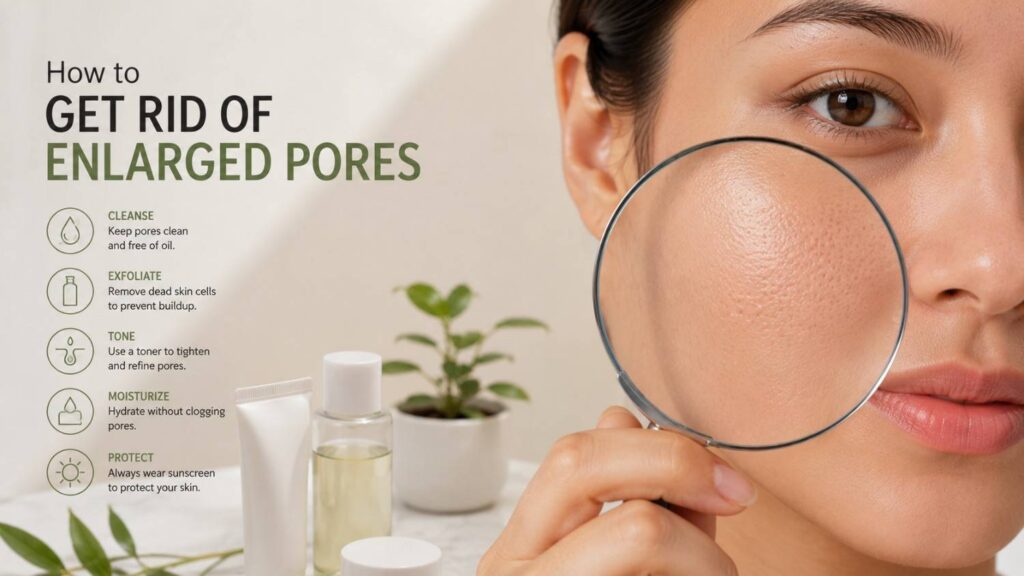
A good pore-focused routine should do four things: cleanse without stripping, hydrate without clogging, treat congestion gently, and protect the skin from sun damage. Cleansing helps remove oil, sweat, sunscreen, pollution, and makeup. Moisturizer keeps the barrier stable so the skin does not become dehydrated or reactive. Targeted ingredients such as salicylic acid and retinol can help improve clogged pores and texture. Sunscreen protects firmness and prevents UV-related collagen damage.
For beginners, it is better to start with the basics before adding stronger products. A cleanser, moisturizer, and sunscreen should come first. Once your skin is comfortable with those steps, you can introduce salicylic acid or retinol slowly. This helps you understand what your skin can tolerate and prevents unnecessary irritation. A good routine does not need to be expensive or complicated. The most effective routine is the one you can follow consistently without damaging your skin.
Cleanse Gently Twice a Day
Gentle cleansing is one of the most important steps for enlarged pores because it helps remove daily buildup before it settles into the pore openings. In the morning, cleansing can remove overnight oil and sweat. At night, cleansing is especially important because your skin has collected sunscreen, makeup, pollution, dirt, and sebum throughout the day. If these are left on the skin, they can mix with dead cells and make pores look more congested.
Choose a cleanser that suits your skin type. If you have oily or acne-prone skin, a gel or foaming cleanser may feel comfortable. If your skin is dry or sensitive, a cream or hydrating cleanser may be better. The cleanser should leave your skin feeling clean but not tight, squeaky, or irritated. Tightness after washing often means the product is too harsh or your water is too hot.
Use lukewarm water instead of hot water, and avoid rubbing with rough towels or cleansing brushes. Massage the cleanser gently with your fingertips, then rinse well and pat the skin dry. This simple habit keeps the skin cleaner without triggering inflammation or barrier damage.
Choose Non-Comedogenic Moisturizer and Makeup
Non-comedogenic products are important for people with enlarged pores because they are designed to be less likely to clog pore openings. This does not guarantee that every product will work perfectly for every person, but it is a helpful label to look for when choosing moisturizers, sunscreens, primers, and makeup. Other useful terms include “oil-free,” “won’t clog pores,” and “suitable for acne-prone skin.”
Many people with oily skin skip moisturizer because they think it will make pores worse. In reality, skipping moisturizer can sometimes make the skin feel dehydrated, uncomfortable, and more reactive. Dehydrated skin may produce more oil on the surface, which can contribute to shine and congestion. The key is not to avoid moisturizer completely, but to choose the right texture. Lightweight gels, gel-creams, and lotions are usually better choices than thick, heavy creams for oily or congested skin.
Makeup also matters. Heavy foundations, oily concealers, and thick primers can settle into pores and make texture look more obvious. If you wear makeup, remove it thoroughly at night and choose breathable formulas. A lightweight, non-comedogenic base can help the skin look smoother without increasing buildup.
Use Sunscreen Every Morning
Sunscreen is essential for enlarged pores because UV damage weakens the skin’s support structure over time. Many people think sunscreen is only necessary for preventing sunburn, dark spots, or premature wrinkles, but it also plays a major role in maintaining firmness. When collagen and elastin are damaged by repeated sun exposure, the skin may lose tightness around pore openings, making them appear wider and more noticeable.
Use a broad-spectrum sunscreen with SPF 30 or higher every morning, even when the weather is cloudy or you are staying indoors near windows. UVA rays can still affect the skin through glass, and daily exposure adds up over time. If you have oily or acne-prone skin, look for an oil-free, non-comedogenic sunscreen. Gel, fluid, or lightweight lotion formulas often work better than heavy creams.
Apply sunscreen as the last step of your morning skincare routine before makeup. Use enough product to cover the face, neck, and any exposed areas. Reapply when sweating, swimming, or spending extended time outdoors. Consistent sunscreen use protects your results from salicylic acid, retinol, and professional treatments while helping prevent pores from looking worse in the future.
Best Ingredients for Enlarged Pores
The best ingredients for enlarged pores are those that target the reasons pores look visible in the first place. If pores look large because they are clogged, ingredients that exfoliate inside the pore can help. If they look larger because of texture, uneven skin turnover, or reduced firmness, ingredients that support renewal and smoothness may be more useful. If the skin is oily, ingredients that balance shine and support the barrier can improve the overall appearance. The key is choosing ingredients strategically rather than using every popular product at once.
Salicylic acid is one of the most useful ingredients for clogged pores because it is oil-soluble and can work well for oily, acne-prone, or blackhead-prone skin. Retinol is another valuable ingredient because it supports cell turnover and can improve rough texture over time. Niacinamide may help calm the skin, support the barrier, and improve the look of oiliness. Clay can provide temporary oil absorption, making pores look cleaner and less shiny for a short period.
However, even good ingredients can cause problems if they are used too often or layered incorrectly. Over-exfoliating can weaken the barrier and create irritation, while starting retinol too quickly can lead to dryness and peeling. The safest plan is to introduce one active ingredient at a time, use it a few times per week at first, and adjust based on your skin’s response. This approach helps you get results without turning pore care into barrier damage.
| Ingredient | How It Helps Enlarged Pores | Best For | Frequency | Beginner Friendly |
|---|---|---|---|---|
| Salicylic Acid (BHA) | Unclogs pores, removes excess oil, exfoliates inside pores | Oily and acne-prone skin | 2–3 times per week to start | Yes |
| Retinol | Improves skin cell turnover and helps reduce clogged pores over time | Aging skin, uneven texture | 2 nights per week initially | Start slowly |
| Niacinamide | Helps balance oil production and supports the skin barrier | Combination and oily skin | Daily | Yes |
| Clay Masks | Absorb excess oil and temporarily reduce shine | Very oily skin | Once or twice weekly | Yes |
| Lightweight Moisturizer | Maintains the skin barrier without clogging pores | All skin types | Twice daily | Yes |
| Broad-Spectrum SPF 30+ Sunscreen | Protects collagen and prevents pores from appearing larger due to sun damage | All skin types | Every morning | Yes |
Salicylic Acid for Clogged Pores
Salicylic acid is a beta hydroxy acid, often called BHA, and it is especially useful for clogged pores, blackheads, whiteheads, and oily skin. Unlike some exfoliating ingredients that mainly work on the skin surface, salicylic acid is oil-soluble. This means it can work well in oily areas and help loosen the mixture of sebum and dead skin cells that collects inside pore openings.
For enlarged pores, salicylic acid does not permanently shrink the pore itself. Instead, it helps pores look smaller by keeping them clearer. When a pore is less congested, it often appears smoother, cleaner, and less stretched. This makes salicylic acid a strong option for people who notice large pores mainly around the nose, chin, forehead, or areas with blackheads.
Beginners should start slowly. You can use salicylic acid in a cleanser, toner, serum, or treatment product. A cleanser may be gentler because it is rinsed off, while a leave-on product may be stronger. Start two or three times per week and increase only if your skin remains comfortable. If you notice stinging, peeling, tightness, or increased sensitivity, reduce frequency and focus on moisturizer.
Retinol for Large Pores
Retinol can help large pores look less noticeable by improving cell turnover and supporting smoother-looking skin over time. When skin cell turnover is slow or uneven, dead cells can build up on the surface and contribute to clogged pores, rough texture, and dullness. Retinol encourages a fresher skin surface, which can make pores appear more refined when used consistently and correctly.
Retinol is especially helpful when enlarged pores are linked to early aging, sun damage, texture concerns, or recurring congestion. It does not work overnight, and it should not be used aggressively. Many people stop retinol too early because they begin with a product that is too strong or use it too often. A safer approach is to apply a low-strength retinol at night two times per week, then gradually increase frequency as your skin builds tolerance.
Apply retinol to dry skin after cleansing, and follow with moisturizer. Avoid using retinol on the same night as strong exfoliating acids when you are starting out. It is also important to wear sunscreen every morning because retinol can make skin more sensitive to sunlight. People who are pregnant, planning pregnancy, or breastfeeding should avoid retinol unless a healthcare professional specifically advises otherwise.
Niacinamide, Clay, and Gentle Exfoliation
Niacinamide, clay, and gentle exfoliation can all support a pore-minimizing routine when used correctly. Niacinamide is a versatile ingredient that may help support the skin barrier, improve the look of uneven tone, and reduce the appearance of excess oil. It is often well tolerated by many skin types, including sensitive and acne-prone skin. For people whose pores look more noticeable because of shine and imbalance, niacinamide can be a useful supporting ingredient.
Clay masks can also help, but their effect is usually temporary. Clay absorbs surface oil and can make pores look cleaner and less shiny for a short time. This can be helpful before an event or once weekly for oily skin. However, using clay masks too often can dry out the skin and create tightness. If your skin feels uncomfortable after a clay mask, use it less often or choose a gentler formula.
Gentle exfoliation can improve texture, but it should not become aggressive. Chemical exfoliants such as salicylic acid, lactic acid, or mandelic acid are often smoother options than rough scrubs. The goal is to remove buildup gradually while keeping the barrier healthy. Healthy skin almost always looks better than overtreated skin.
Step-by-Step Plan to Make Pores Look Smaller
The best answer to How to Get Rid of Enlarged Pores is not a single product. It is a repeatable plan that keeps the skin clean, hydrated, protected, and treated with the right active ingredients. Pores look more refined when the skin is stable. That means you should avoid constantly changing products, over-layering acids, or reacting to every new skincare trend. A steady routine gives your skin time to adjust and gives ingredients enough time to show results.
A practical pore-minimizing plan should be divided into morning, night, and weekly steps. The morning routine focuses on cleansing, hydration, and sun protection. The night routine focuses on removing buildup and using treatment ingredients such as salicylic acid or retinol. The weekly routine can include optional steps such as a clay mask or gentle exfoliation, but only if your skin tolerates them well. This structure helps you get benefits without overwhelming your skin.
It is also important to introduce active ingredients one at a time. If you start salicylic acid, retinol, a clay mask, and a new cleanser in the same week, you will not know which product is helping or irritating your skin. Start with the basics, then add one treatment slowly. Give your routine at least eight to twelve weeks before judging long-term results, unless you experience irritation. Skin texture improves gradually, and consistency matters more than intensity.
| Time of Day | Recommended Step | Purpose | Optional Product Type |
|---|---|---|---|
| Morning | Gentle Cleanser | Removes overnight oil and impurities | Non-comedogenic cleanser |
| Morning | Lightweight Moisturizer | Keeps the skin barrier hydrated | Gel or lotion moisturizer |
| Morning | Broad-Spectrum SPF 30+ | Protects collagen and helps prevent pores from appearing larger | Oil-free sunscreen |
| Evening | Gentle Cleanser | Removes sunscreen, makeup, and excess sebum | Foaming or gel cleanser |
| Evening | Salicylic Acid or Retinol (Alternate Nights) | Helps reduce clogged pores and improve skin texture | Leave-on treatment |
| Evening | Moisturizer | Reduces dryness caused by active ingredients | Barrier-supporting moisturizer |
| Weekly | Clay Mask or Gentle Exfoliant | Helps manage excess oil and improve skin texture | Clay mask or mild exfoliant |
Morning Routine
Your morning routine should prepare and protect your skin for the day. Start with a gentle cleanser if your skin feels oily or if you used heavier products the night before. If your skin is dry or sensitive, rinsing with water may be enough in the morning, but oily skin usually benefits from a mild cleanse. The goal is to remove overnight oil and sweat without stripping the skin.
After cleansing, apply a lightweight moisturizer. This step helps keep the skin barrier comfortable and reduces the chance of dehydration. Choose a non-comedogenic formula that does not feel heavy or greasy. If you use a niacinamide serum, the morning can be a good time to apply it before moisturizer. Keep the routine simple so your sunscreen layers smoothly.
Finish with broad-spectrum SPF 30 or higher. Sunscreen is essential because it protects collagen and helps prevent pores from looking more visible over time. If you wear makeup, apply it after sunscreen has settled. A lightweight primer can temporarily blur pores, but it should not replace skincare. Think of primer as a cosmetic finishing step, while cleanser, moisturizer, and sunscreen are the foundation of long-term pore care.
Night Routine
Your night routine is where you remove the day’s buildup and use targeted treatment ingredients. Start by cleansing thoroughly. If you wear makeup or water-resistant sunscreen, you may need a first cleanse with micellar water, cleansing balm, or cleansing oil, followed by a gentle face wash. This helps remove residue that could otherwise contribute to clogged pores.
After cleansing, choose your treatment step based on your schedule. Beginners should avoid using salicylic acid and retinol on the same night. Instead, alternate them. For example, use salicylic acid two or three nights per week to help with clogged pores, and use retinol on separate nights to support texture and turnover. On the remaining nights, focus on moisturizer only. This gives your skin time to recover.
Always finish with a moisturizer, especially when using active ingredients. A good moisturizer reduces dryness, supports the skin barrier, and helps you continue treatment without irritation. If your skin becomes red, flaky, itchy, or painful, stop active ingredients temporarily and use only gentle cleanser, moisturizer, and sunscreen until your skin feels normal again. A calm barrier is necessary for smoother-looking pores.
Weekly Routine and Mistakes to Avoid
A weekly pore-care routine can include optional treatments, but it should never become too aggressive. If your skin is oily, a clay mask once a week may help absorb excess oil and make pores look temporarily cleaner. If your skin is dull or rough, a gentle exfoliant may improve texture. However, these steps should support your routine, not replace your daily basics.
Avoid harsh physical scrubs, especially those with rough particles that can cause micro-irritation. Also avoid squeezing pores, digging at blackheads, using metal tools without training, or applying strong DIY remedies such as lemon juice, baking soda, or toothpaste. These methods can irritate the skin, disrupt the barrier, and increase the risk of marks or inflammation. Pores may look worse when the surrounding skin is red, dry, or damaged.
Another common mistake is using too many drying products. People with oily skin often believe they need to remove every bit of oil, but this can backfire. If the skin barrier becomes dehydrated, it may feel tight while still appearing shiny. A balanced routine with hydration, sunscreen, and controlled exfoliation is much more effective than trying to dry the skin completely.
Home Care vs Professional Treatments for Enlarged Pores
Home care is the best starting point for most people with enlarged pores. A consistent routine can improve oiliness, clogged pores, blackheads, whiteheads, rough texture, and dullness. If your pores look visible mainly because they are congested or shiny, at-home skincare may make a meaningful difference within a few months. Cleansing, sunscreen, non-comedogenic products, salicylic acid, and retinol are often enough to create smoother-looking skin when used correctly.
However, home care has limits. If enlarged pores are connected to acne scars, deeper texture changes, significant sun damage, or loss of firmness, professional treatments may provide better results. These treatments work at a deeper level than regular skincare products. For example, chemical peels can improve congestion and texture, microneedling can support collagen remodeling, and laser or radiofrequency treatments may help with skin firmness and uneven texture. The right option depends on your skin tone, skin sensitivity, acne history, budget, and downtime tolerance.
Professional treatments should be approached carefully. Not every treatment is suitable for every skin type. People with darker skin tones may have a higher risk of post-inflammatory hyperpigmentation from aggressive procedures if they are not performed correctly. People with sensitive skin, active acne, rosacea, or a damaged barrier may need to stabilize their skin first. A dermatologist or qualified skin professional can assess whether your concern is enlarged pores, sebaceous filaments, acne scarring, or another condition. This distinction matters because each concern needs a different treatment plan.
When Home Care Is Enough
Home care is usually enough when enlarged pores are caused by oiliness, mild congestion, blackheads, whiteheads, or uneven surface texture. If your skin does not have deep scarring or significant sagging, a well-planned skincare routine can often make pores look cleaner and less noticeable. The most important part is consistency. Switching products every few days can irritate the skin and make it harder to know what is actually working.
A good home routine should include a gentle cleanser, lightweight moisturizer, non-comedogenic sunscreen, and one or two active ingredients. Salicylic acid can help with clogged pores, while retinol can support smoother texture over time. You do not need a long routine with ten products. In many cases, a smaller routine is more effective because it is easier to follow and less likely to cause irritation.
Give your routine at least eight to twelve weeks before expecting visible improvement. Pore appearance changes slowly because skin turnover, oil regulation, and texture improvement take time. If your skin becomes irritated before then, reduce active ingredients instead of adding more products.
Chemical Peels, Microneedling, and Laser Options
Professional treatments may be helpful when enlarged pores are stubborn or linked to texture concerns that skincare cannot fully correct. Chemical peels use controlled exfoliation to remove dead skin buildup and improve surface smoothness. They may be useful for congestion, dullness, and mild texture, but the strength of the peel should match your skin type and sensitivity level.
Microneedling creates controlled micro-injuries in the skin to encourage repair and collagen remodeling. Radiofrequency microneedling combines microneedling with energy delivery and may be used for visible pores, acne scars, and skin texture. Some studies have shown promising results for enlarged facial pores with fractional microneedle radiofrequency treatments, but results depend on the device, provider skill, skin type, and treatment plan.
Laser resurfacing may also help with sun damage, uneven texture, and firmness, but it requires careful evaluation. Aggressive lasers can cause irritation, downtime, or pigmentation issues in some skin tones. This is why professional care should not be chosen only from online before-and-after photos. A qualified provider should examine your skin and recommend the safest option.
Treatment Comparison Table
| Option | Best For | At-Home or Professional | Notes |
|---|---|---|---|
| Gentle cleanser | Oil, sweat, sunscreen, and daily buildup | At-home | Use once or twice daily depending on skin type. Avoid harsh scrubbing. |
| Non-comedogenic moisturizer | Barrier support and hydration | At-home | Important even for oily skin. Choose lightweight gel or lotion textures. |
| Broad-spectrum sunscreen | Preventing sun damage and firmness loss | At-home | Use SPF 30 or higher every morning. Choose oil-free formulas for acne-prone skin. |
| Salicylic acid | Clogged pores, blackheads, and oily skin | At-home | Start two to three times weekly. Reduce use if dryness or irritation appears. |
| Retinol | Texture, clogged pores, and early firmness concerns | At-home | Use at night and introduce slowly. Avoid during pregnancy or breastfeeding unless medically advised. |
| Clay mask | Temporary oil control and shine reduction | At-home | Use occasionally, not daily. Overuse may dry the skin. |
| Chemical peel | Congestion, dullness, and mild texture | Professional | Best performed or guided by a qualified professional. |
| Microneedling/RF microneedling | Acne scars, texture, and visible pores | Professional | Suitability depends on skin type, acne activity, and downtime tolerance. |
| Laser treatment | Sun damage, uneven texture, and firmness loss | Professional | Requires expert assessment, especially for darker or sensitive skin. |
How to Prevent Enlarged Pores From Looking Worse
Preventing enlarged pores from looking worse is easier than trying to correct long-term texture changes later. While you cannot change your natural pore size or genetics, you can reduce the daily habits that make pores more visible. The most important prevention steps include cleansing properly, avoiding clogged products, protecting your skin from UV damage, controlling acne, and treating your skin gently. These habits help keep pore openings clearer and the surrounding skin stronger.
One of the biggest prevention mistakes is treating pores too aggressively. Many people scrub, squeeze, extract, and dry out their skin because they believe pores are “dirty.” In reality, pores are normal skin structures. When you attack them with harsh methods, the skin may become inflamed and uneven. This makes pores stand out more instead of less. Gentle skincare is not weak skincare; it is often the most effective strategy for long-term improvement.
Another important prevention step is daily sunscreen. Since sun damage weakens collagen and firmness, skipping sunscreen can make pores look more noticeable over time. Non-comedogenic sunscreen is especially important for people who worry that SPF will clog their skin. With modern lightweight formulas, it is possible to protect the skin without adding a greasy or heavy layer.
Finally, acne control matters. Repeated breakouts, blackheads, and inflammation can stretch pore openings and leave textural marks. If acne is persistent, painful, or causing scars, early treatment can prevent pores and skin texture from becoming harder to improve later.
Avoid Picking, Squeezing, and Harsh Scrubs
Picking and squeezing pores may feel satisfying in the moment, but it can cause more harm than good. When you press or dig into the skin, you can irritate the pore wall, push inflammation deeper, and damage the surrounding tissue. This may lead to redness, swelling, scabbing, dark marks, or even scarring. Over time, repeated squeezing can make texture look worse and pores appear more noticeable.
Harsh scrubs are another common problem. Many scrubs contain rough particles that can create tiny irritation on the skin surface. While the skin may feel smoother immediately after scrubbing, the irritation can weaken the barrier and cause dryness or sensitivity. Once the barrier is damaged, active ingredients such as salicylic acid or retinol may sting more, making it difficult to maintain a good routine.
Instead of picking or scrubbing, use ingredients that work gradually. Salicylic acid can help loosen pore buildup, while retinol can support smoother turnover. If you have stubborn blackheads or congestion, professional extraction from a trained provider is safer than doing it aggressively at home. The goal is to clear pores without injuring the skin around them.
Keep Acne and Oiliness Under Control
Acne and oiliness can make enlarged pores look worse because they increase congestion and inflammation. When pores repeatedly become clogged with sebum and dead skin cells, they may look stretched or rough. Blackheads can create dark dots that make pores more obvious, while inflamed pimples can leave behind texture changes or marks. Managing acne early can help prevent long-term pore and skin texture concerns.
For mild acne or oiliness, a routine with gentle cleansing, non-comedogenic products, salicylic acid, and moisturizer may be enough. Salicylic acid can help keep pores clearer, while moisturizer helps prevent barrier damage from acne treatments. If your skin is very oily, you may also benefit from lightweight niacinamide products or occasional clay masks. However, avoid using multiple drying acne products at the same time.
If acne is moderate, painful, cystic, or leaving scars, professional help is important. A dermatologist may recommend benzoyl peroxide, topical retinoids, azelaic acid, prescription treatments, or other options depending on your skin. Treating acne is not only about stopping breakouts; it can also protect the skin from texture changes that make pores look more prominent later.
Know When to See a Dermatologist
You should consider seeing a dermatologist if enlarged pores are not improving after a consistent routine, or if they are accompanied by acne, scarring, painful bumps, sudden texture changes, or ongoing irritation. Sometimes what looks like enlarged pores may actually be sebaceous filaments, blackheads, acne scars, rosacea-related texture, or another skin condition. Each concern requires a slightly different approach, so guessing can lead to wasted time and irritation.
A dermatologist can examine your skin closely and identify the main cause of visible pores. If congestion is the issue, they may recommend salicylic acid, retinoids, extraction, or acne treatment. If firmness loss is the issue, they may discuss retinoids, microneedling, radiofrequency treatments, peels, or laser options. If sensitivity is the problem, they may focus first on barrier repair before adding active ingredients.
Professional advice is especially valuable if you have darker skin tones, melasma, sensitive skin, active acne, or a history of pigmentation after irritation. Some treatments can trigger dark marks if performed too aggressively. A dermatologist can help you choose safer options and build a plan that improves pores without damaging the skin.
Quick Answer About How to Get Rid of Enlarged Pores
You cannot permanently remove pores because pores are a normal and necessary part of your skin. They help release sebum, which is the natural oil that keeps the skin flexible, protected, and comfortable. However, enlarged pores can look more visible when they become clogged with oil, dead skin cells, makeup residue, sunscreen buildup, or environmental dirt. They can also appear larger when the skin loses firmness because of aging, sun damage, or reduced collagen support. The goal is not to “close” pores completely, because that is not realistic. The goal is to make them look cleaner, smoother, and less noticeable.
The best way to get rid of the appearance of enlarged pores is to follow a consistent skincare routine that focuses on gentle cleansing, oil control, barrier support, sun protection, and safe exfoliation. A good routine usually includes a mild cleanser, lightweight non-comedogenic moisturizer, broad-spectrum SPF 30 or higher sunscreen, salicylic acid for clogged pores, and retinol if your skin can tolerate it. These steps work together to reduce buildup, improve texture, and support healthier-looking skin over time.
It is also important to avoid common mistakes that make pores look worse. Harsh scrubs, pore squeezing, picking, drying alcohol-based products, and overusing exfoliating acids can irritate the skin and make texture more obvious. If enlarged pores are connected to acne scars, deep congestion, or skin laxity, professional treatments such as chemical peels, microneedling, radiofrequency microneedling, or laser resurfacing may help. For most people, visible improvement comes from patience, consistency, and choosing products that match their skin type.
Frequently Asked Questions
Enlarged pores are one of the most common skincare concerns because they affect people with many different skin types. Some people notice them mainly on the nose, while others see them on the cheeks, forehead, chin, or full T-zone. The challenge is that pore advice online is often confusing. Some sources promise to “close pores,” “erase pores,” or “shrink pores overnight,” but these claims are usually unrealistic. Pores do not open and close like doors, and they cannot be permanently removed.
A better way to understand pore care is to separate permanent skin structure from temporary pore appearance. Your natural pore size is influenced by genetics, oil gland activity, age, and skin firmness. You may not be able to change those completely. However, the appearance of pores can improve when you reduce congestion, control excess oil, protect collagen, and avoid irritation. This is why routines based on gentle cleansing, non-comedogenic products, sunscreen, salicylic acid, and retinol often perform better than harsh pore-shrinking tricks.
The questions below answer the most common concerns people have when searching for How to Get Rid of Enlarged Pores. They are written to help beginners understand what is realistic while also giving more advanced skincare users a clearer strategy. The main takeaway is simple: you cannot make skin poreless, but you can make pores look cleaner, smoother, and less noticeable with the right long-term approach.
Can enlarged pores go away permanently?
No, enlarged pores usually do not go away permanently because pores are normal openings in the skin. They are part of your skin’s structure and help release oil and sweat. It is not possible or healthy to completely remove them. However, you can improve the appearance of enlarged pores by keeping them clear, reducing excess oil, protecting skin firmness, and avoiding irritation.
If pores look large because they are clogged, skincare can often make a visible difference. Salicylic acid, gentle cleansing, and non-comedogenic products can help reduce buildup. If pores look large because of aging, sun damage, or acne scars, improvement may take longer and may require retinol or professional treatments.
The realistic goal is not poreless skin. The goal is smoother-looking, healthier skin with pores that are less obvious. Consistency is what creates improvement. A routine followed for several months will usually produce better results than harsh treatments used for a few days.
What is the fastest way to reduce the look of large pores?
The fastest way to reduce the look of large pores is to make the skin surface appear cleaner, smoother, and less shiny. A gentle cleanse, lightweight moisturizer, oil-free sunscreen, and smoothing primer can improve the appearance temporarily. A clay mask may also help reduce excess oil for a short time, especially before an event. These steps can make pores look less noticeable, but they do not permanently change pore size.
For longer-term improvement, you need ingredients that address the cause. Salicylic acid can help unclog pores, while retinol can support smoother skin texture over time. Sunscreen is also essential because it helps protect collagen and firmness. Without sunscreen, pores may become more visible over time because of UV-related skin damage.
Avoid trying to get instant results through squeezing, scrubbing, or strong DIY treatments. These may create redness and irritation, which can make pores stand out more. Fast cosmetic improvement is fine, but long-term pore care should still be gentle and consistent.
Is retinol good for enlarged pores?
Yes, retinol can be helpful for enlarged pores, especially when pores look larger because of clogged skin, rough texture, early aging, or reduced firmness. Retinol supports skin cell turnover, which helps prevent dead skin cells from building up on the surface and inside pore openings. Over time, this can make skin look smoother and more refined.
However, retinol must be introduced carefully. If you use too much too soon, it can cause dryness, peeling, burning, or irritation. Irritated skin often makes pores look worse, not better. Start with a low-strength retinol two nights per week, apply it to dry skin, and follow with moisturizer. Increase slowly only if your skin stays comfortable.
Retinol should be used at night, and sunscreen should be used every morning. People who are pregnant, trying to become pregnant, or breastfeeding should avoid retinol unless they receive specific guidance from a healthcare professional. Used correctly, retinol can be a valuable part of a long-term pore-care routine.
Does salicylic acid shrink pores?
Salicylic acid does not permanently shrink pores, but it can make them look smaller by clearing congestion. It is especially useful for oily skin, blackheads, whiteheads, and clogged pores. Because salicylic acid is oil-soluble, it can work well in areas where sebum buildup makes pores look darker or wider.
When pores are filled with oil, dead skin cells, and debris, they appear more visible. By helping exfoliate and clear buildup, salicylic acid can make the pore opening look cleaner and less stretched. This is why many pore-minimizing routines include salicylic acid as a key ingredient.
Start slowly to avoid dryness. A salicylic acid cleanser may be a good beginner option, while a leave-on treatment may be stronger. Use it two or three times per week at first, then adjust based on your skin. If your skin becomes tight, flaky, or irritated, reduce use and focus on moisturizer. Clear skin should not come at the cost of a damaged barrier.
Are pore strips good for enlarged pores?
Pore strips can remove some surface debris and temporarily make pores look cleaner, especially on the nose. However, they do not treat the underlying causes of enlarged pores. They do not regulate oil production, improve skin firmness, prevent new clogs, or repair texture. This means the visible improvement is usually short-lived.
Overusing pore strips can also irritate the skin. Pulling adhesive from the skin may cause redness, sensitivity, or dryness, particularly if your skin is already using retinol, exfoliating acids, or acne treatments. If the skin becomes irritated, pores may look more obvious because the surrounding area becomes inflamed or rough.
If you choose to use pore strips, use them occasionally and avoid applying them to irritated, sunburned, peeling, or broken skin. For a better long-term plan, focus on gentle cleansing, salicylic acid, non-comedogenic skincare, sunscreen, and retinol if suitable. These steps address the conditions that make pores look enlarged instead of only removing temporary surface buildup.
How can I get rid of enlarged pores naturally?
You can improve the appearance of enlarged pores naturally by following gentle skincare habits, but you cannot remove pores completely. Natural pore care starts with daily cleansing, avoiding heavy pore-clogging oils, using lightweight moisturizers, wearing sunscreen, and not picking or squeezing the skin. Lifestyle habits such as staying hydrated, sleeping well, and avoiding smoking may also support healthier-looking skin overall.
Some natural ingredients are popular online, but not all are safe for facial skin. Lemon juice, baking soda, toothpaste, and harsh homemade scrubs can irritate the skin and damage the barrier. Irritation may make pores look worse and can increase the risk of dark marks, especially on deeper skin tones. Natural does not always mean gentle or effective.
If you want a more natural routine, choose simple, fragrance-free, non-comedogenic products and use proven gentle ingredients. Clay masks can help absorb oil temporarily, and aloe-based lightweight moisturizers may feel soothing for some skin types. Still, for clogged pores, ingredients such as salicylic acid and retinol usually provide more targeted results.
Conclusion
Learning How to Get Rid of Enlarged Pores starts with realistic expectations. You cannot permanently erase pores, close them completely, or make your skin poreless. Pores are a normal part of healthy skin. What you can do is make enlarged pores look smaller by reducing the factors that make them more visible. These factors include excess oil, dead skin buildup, clogged pores, acne, sun damage, irritation, and loss of firmness.
The safest and most effective approach is a consistent skincare routine. Start with the basics: cleanse gently, moisturize with non-comedogenic products, and use broad-spectrum SPF 30 or higher every morning. Once your skin is stable, add targeted ingredients slowly. Salicylic acid can help with clogged pores, blackheads, and oily skin. Retinol can support smoother texture and improve the look of pores over time. Niacinamide, clay masks, and gentle exfoliation may also help when used correctly.
Avoid harsh scrubs, squeezing, picking, and aggressive DIY remedies. These may seem helpful in the moment, but they can irritate the skin and make pores appear more noticeable. If your enlarged pores are connected to acne scars, deep texture, sagging, or long-term sun damage, professional treatments such as chemical peels, microneedling, radiofrequency microneedling, or laser resurfacing may be worth discussing with a dermatologist.
The best pore-care routine is not the strongest routine. It is the routine your skin can tolerate consistently. With patience, protection, and the right ingredients, enlarged pores can look cleaner, smoother, and much less noticeable.